EV Charger Installation in Christchurch


EV Charger Installation Christchurch - WeDo Electrical

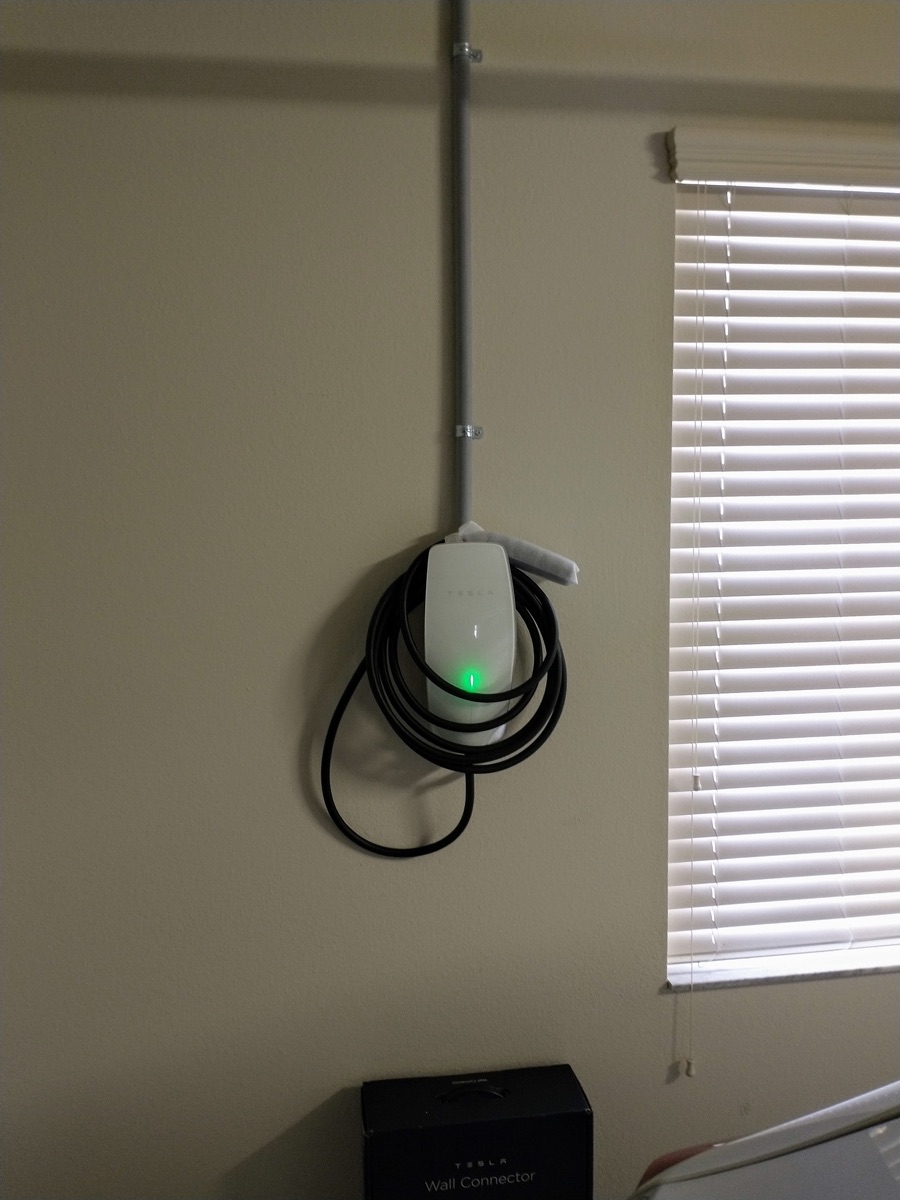
Installed a 7kW EV charger in Fendalton garage for couple who just bought a Nissan Leaf. They were charging on regular outlet and it took like 20 hours for full charge. We ran dedicated 40 amp circuit from their panel to garage, mounted charger on wall near where they park, installed proper outlet or hardwired connection depending on charger type. Now their car charges fully overnight - plug in at 6pm and its ready by morning. They said it completely changed how they use the car cause they always have full charge instead of constantly worrying about battery level.

EV charger installation is more than just plugging something in. Needs proper electrical work to handle the power draw safely and charge at decent speed. Most standard outlets way too slow for practical daily use.

Understanding EV Charging Levels

Three levels of EV charging with very different speeds.

Level 1 charging uses standard household outlet. Just 10 amps at 230V in New Zealand. Adds maybe 6-8 km of range per hour. Takes 20-40 hours for full charge depending on battery size. Fine for plug-in hybrids with small batteries but really slow for full EVs.

Level 2 charging is what most home chargers provide. Uses dedicated 230V circuit at higher amperage - typically 16 to 32 amps. Adds 25-50 km per hour depending on charger power and car capability. Full charge overnight for most EVs. This is what we install for most customers.

Level 3 or DC fast charging is commercial charging stations. 50-350 kW charging that adds hundreds of km in 20-30 minutes. Not practical for home installation - requires three phase power and costs tens of thousands. Only makes sense for businesses.

For home use Level 2 charging is sweet spot. Fast enough for overnight charging but doesnt require massive electrical upgrades.

Charger Power Ratings

Home chargers available in different power levels.

3.6 kW chargers draw 16 amps. Entry level but still way faster than Level 1. Adds maybe 20-25 km per hour. Might be enough if you dont drive much daily.

7 kW chargers draw 32 amps. Most common for home installation. Good balance of charging speed and electrical requirements. Adds 40-50 km per hour. Full charge overnight for typical EV.

11 kW and 22 kW chargers need three phase power. Most New Zealand homes have single phase so these arent common residential installations. More typical for commercial or new builds designed with three phase.

Your car determines maximum charging speed too. Some EVs only charge at 3.6 kW even on 7 kW charger. Check your car specs before buying expensive high power charger.

Electrical Panel Capacity

Panel capacity determines if you can add EV charger.

Check available capacity in your panel. Most houses have 63 or 80 amp main breaker. Need to add up existing loads and see if theres room for charger.

7 kW charger needs 40 amp circuit. Thats significant load. If your panel is already near capacity you might need panel upgrade before adding charger.

Load calculation includes everything: lights, outlets, heat pump, hot water, oven, dryer. We add it all up to see what your actual maximum load is versus panel capacity.

Smart chargers can help with capacity issues. Some chargers monitor home power use and reduce charging rate if home is using lots of power. Prevents overloading panel.

Panel upgrades cost $2000-4000 if needed. Sounds like a lot but necessary if your panel cant handle the load. Better than overloading panel and causing problems.

Running the Circuit

Dedicated circuit from panel to charger location is main work.

Cable size depends on charger power. 7 kW charger typically needs 6mm cable. 11 kW might need 10mm. We size cable properly for the load and distance.

Circuit protection at panel. 40 amp breaker for 7 kW charger. RCD protection required for safety. Proper labeling so everyone knows what circuit is for.

Cable routing from panel to garage. Might run through walls, attic, under house. We plan route that protects cable and looks neat.

Conduit for exposed cable runs. If cable visible in garage or outside it goes in conduit for protection. Looks professional too.

Junction boxes if needed. Sometimes need junction box at transition points. All done to code with proper boxes and covers.

Weatherproofing for outdoor installations. Charger might be outside under carport. Need weatherproof mounting and connections.

Installation Location

Where you mount charger affects installation difficulty and usability.

Inside garage is ideal. Protected from weather, easy cable routing, convenient to use. Most common installation location.

Outside under carport works if no garage. Charger needs outdoor rating. Cable routing might be harder. Still very functional.

Height on wall matters. Usually mount at comfortable height - maybe 1.2-1.5 meters. High enough you dont hit it with car, low enough to reach easily.

Distance from where car parks. Cable from charger to car usually 5-7 meters. Mount charger so cable reaches charge port comfortably.

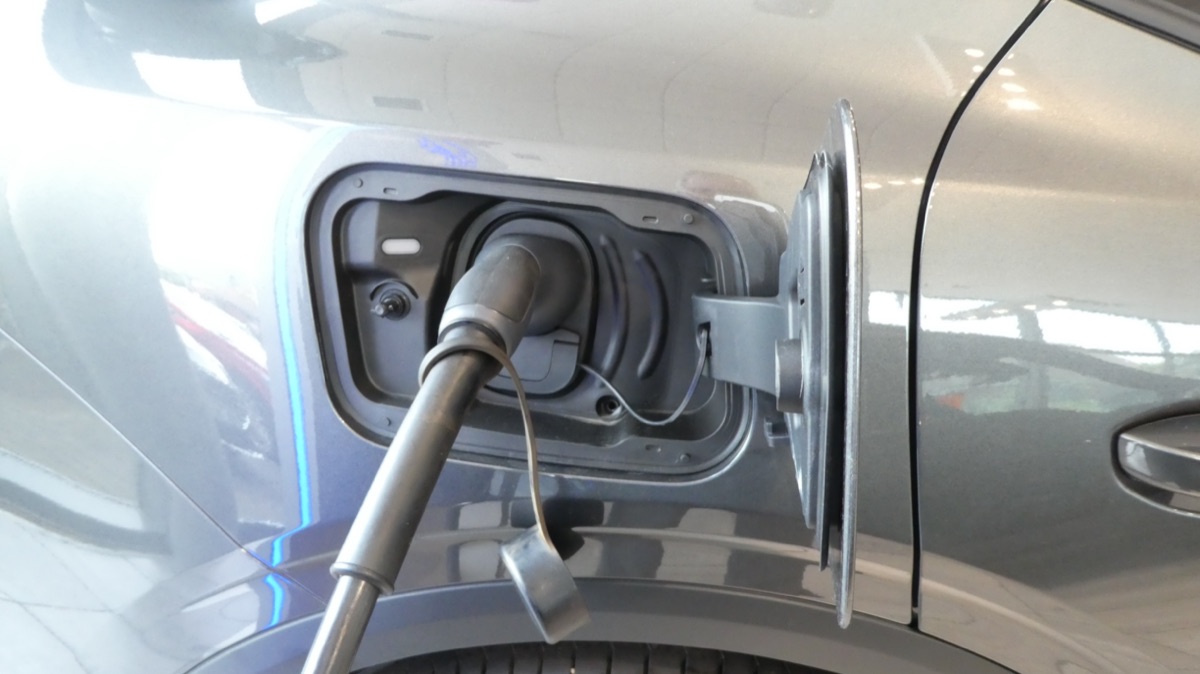
Left or right side depends on your car. Some cars have charge port on left, others on right. Mount charger on correct side so cable reaches.

Types of EV Chargers

Different charger types with different features.

Tethered chargers have cable permanently attached. Convenient cause cable is always there. But cable can get in the way when not charging. Most people prefer these.

Socket chargers have outlet - you provide cable. More flexible cause you can use different cables. But means keeping track of cable. Less common for home use.

Smart chargers connect to wifi. Can schedule charging, monitor usage, integrate with solar, control through app. Cost more but lots of useful features.

Basic chargers just charge. No connectivity or features. Turn on when car plugged in. Cheaper and simpler. Works fine if you dont need smart features.

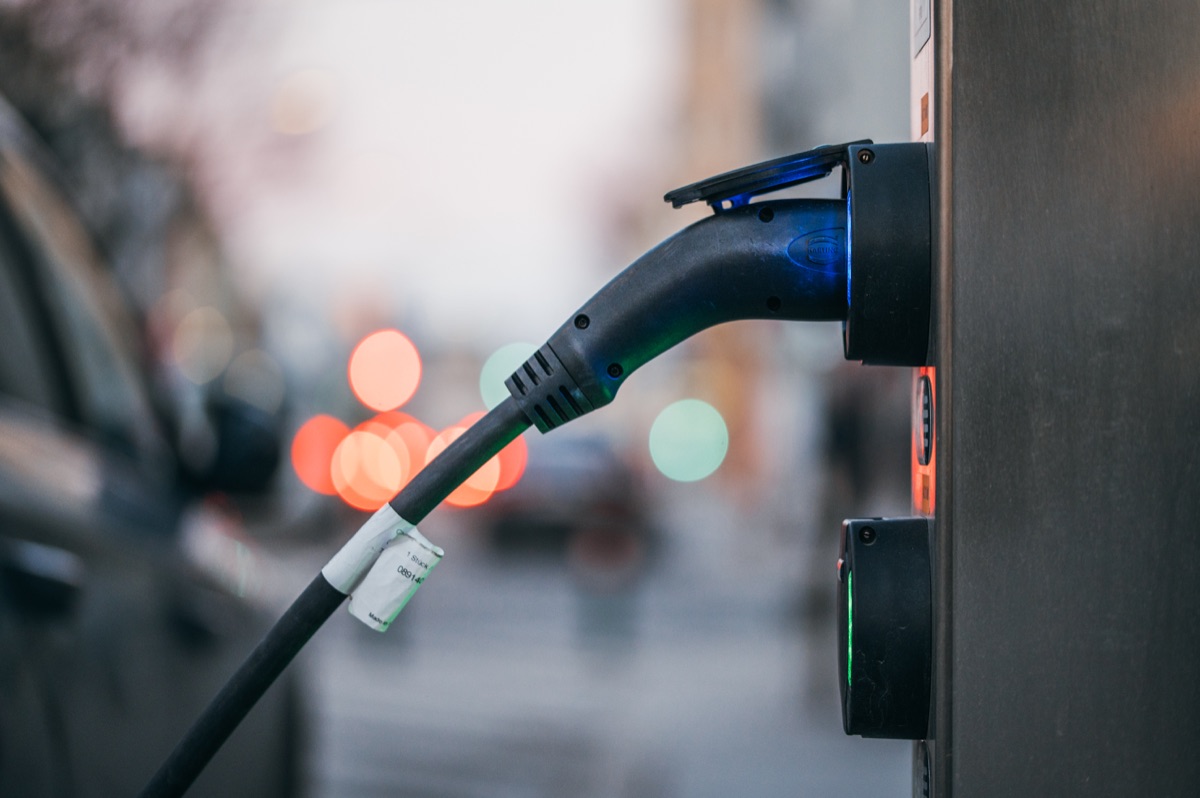
Universal chargers work with any EV. Type 2 connector is standard in New Zealand. Make sure charger has this unless you have specific car that needs different connector.

Installation Process

EV charger installation follows specific steps.

Site assessment first. Check panel capacity, plan circuit route, confirm charger location works. Identify any issues before starting work.

Order correct charger if customer hasnt already. Make sure its right power level and type for their needs and car.

Install circuit breaker and RCD in panel. Proper labeling. Make sure everything torqued correctly and connections solid.

Run cable from panel to charger location. Through walls, attic, or conduit depending on route. Secure properly along entire run.

Mount charger backing plate. Level and secure to wall studs or solid backing. Charger needs solid mount cause you pull on cable.

Make electrical connections. Wire from circuit into charger per manufacturer instructions. Check connections twice.

Attach charger to mounting plate. Most chargers have anti-theft bolts so people cant just remove them.

Power on and test. Verify charger powers up, test with customer car if available, check all safety features work.

Configure smart features if applicable. Connect to wifi, set up app, configure any schedules or preferences.

Show customer how to use charger. Explain any features, demonstrate plugging in, answer questions.

Smart Charger Features

Smart chargers offer useful features beyond basic charging.

Scheduled charging lets you charge during off-peak hours. Power companies often have cheaper rates overnight. Set charger to start at midnight instead of immediately when plugged in.

Solar integration charges from excess solar. If you have solar panels charger can prioritize solar power. Charge car with your own power instead of grid.

Load balancing monitors home power use. If home using lots of power charger reduces charging rate. Prevents overloading panel or hitting peak demand charges.

Usage monitoring tracks how much power used. See charging history, costs, energy consumption. Helpful for understanding actual running costs.

Remote control through phone app. Start or stop charging from anywhere. Adjust charging rate. Check status. Convenient when you remember something after going inside.

RFID access control for shared chargers. Maybe apartment or business installation. Only authorized people can use charger. Tracks who uses what.

Cost of EV Charger Installation

Installation costs vary based on situation.

Simple installation with garage near panel runs $800-1200. Short cable run, straightforward routing, no complications. Plus cost of charger itself.

Standard installation maybe $1200-1800. Longer cable run through house or attic. Still no major obstacles. Most installations fall here.

Difficult installation $1800-2500. Long cable run, difficult routing, exterior installation, complicated access. Extra work reflected in price.

Panel upgrade if needed adds $2000-4000. Required if panel cant handle additional load. Significant cost but necessary.

Charger itself costs $800-2000 depending on features. Basic 7 kW charger maybe $800-1200. Smart charger with all features $1500-2000.

Total project cost typically $1600-4000 for charger plus installation. Panel upgrade adds more if needed.

Running costs after installation are just electricity. 7 kW charger running 6 hours uses 42 kWh. At 25 cents per kWh thats about $10.50 for full charge. Way cheaper than petrol.

Tesla vs Universal Chargers

Tesla charging options bit different than other EVs.

Tesla Wall Connector is Teslas branded charger. Works great with Teslas, up to 11 kW charging. Integrates with Tesla app. Can work with other EVs using adapter but optimized for Tesla.

Universal chargers with Type 2 connector work with any EV including Tesla. Tesla cars come with adapter for Type 2. More flexible if you might get different EV later.

Tesla destination charging at businesses. Tesla Wall Connectors installed at hotels, restaurants, tourist spots. Free or cheap charging while you visit.

Most Tesla owners get Tesla Wall Connector. Integration and convenience worth it. But universal charger works fine too if you prefer flexibility.

Regulations and Compliance

EV charger installations must meet regulations.

Licensed electrician required. EV charger installation is prescribed electrical work in NZ. Only licensed electricians can legally do it.

Electrical code compliance. Installation must meet NZ electrical code. Proper cable sizing, protection, grounding, everything to standard.

Certificate of compliance issued after installation. We provide COC showing work done properly and legally. Required documentation.

Council consent usually not required for home charger. Its electrical work within existing building. But very large installations or new structures might need consent.

Insurance notification recommended. Tell your home insurance you installed EV charger. Probably doesnt affect premium but good to keep them informed.

Multiple Chargers or Future Expansion

Some situations need multiple chargers or planning for expansion.

Two EVs in household might want two chargers. Can install two if panel has capacity. Or use load balancing to share power between chargers.

Future-proofing with extra capacity. Maybe run larger cable now even if installing basic charger. Easier to upgrade charger later than run new cable.

Conduit for easy upgrades. Run cable in conduit so you can pull different cable later without opening walls.

Businesses often need multiple chargers. Employee parking, fleet vehicles, customer charging. Different requirements than residential.

Common Installation Challenges

EV charger installations sometimes hit problems.

Insufficient panel capacity is most common issue. Panel at or near capacity cant handle charger. Need panel upgrade or load management.

Long distance from panel to garage. Maybe detached garage far from house. Long cable runs cost more and might need larger cable to minimize voltage drop.

No clear cable route. Finished basement, no attic access, solid walls. Have to get creative with routing or use surface conduit.

Three phase car with single phase house. Some European EVs charge faster on three phase but NZ houses usually single phase. Charger still works but at reduced speed.

Had house in Papanui where panel was maxed out with heat pump and hot water. Customer really wanted EV charger without panel upgrade. We installed smart charger with load monitoring that reduces charging when house using lots of power. Works well but charges bit slower sometimes.

Apartment and Shared Parking

Apartment buildings have different considerations.

Body corporate approval needed. Cant just install charger in apartment parking. Need permission from body corporate.

Electrical infrastructure might be limited. Apartment panel might not have capacity. Building panel might need upgrade.

Access control important in shared spaces. RFID or app-based access so only owner uses charger. Or usage tracking for cost recovery.

Multiple chargers need load management. Building might not have capacity for everyone charging at once. Smart system manages available power.

Maintenance and Troubleshooting

EV chargers need minimal maintenance but occasional attention.

Keep charger and cable clean. Wipe down occasionally, make sure connector clean. Dirt in connector can affect connection.

Check cable for damage. Look for cuts, kinks, damage from being run over. Damaged cable is safety hazard.

Verify connections stay tight. Check where cable enters charger periodically. Vibration can loosen connections over time.

Software updates for smart chargers. Most update automatically over wifi but check occasionally that firmware is current.

Troubleshooting charging issues. If car not charging check charger has power, cable fully seated in car, car charging system enabled. Most issues are simple.

Professional service if needed. If charger showing error codes or not working call electrician. Dont try to repair yourself.

Future of EV Charging

EV charging technology keeps improving.

Bidirectional charging coming. Car battery can power house during outages or peak times. Need charger that supports this but very useful feature.

Faster home charging as cars improve. Current EVs mostly limited to 7-11 kW but future cars might charge faster. Good wiring now means ready for faster chargers later.

Better integration with solar and batteries. Smart systems will optimize when to charge based on solar production, battery status, electricity prices.

Wireless charging being developed. Park over charging pad instead of plugging in. Not ready for home use yet but eventually might be option.


If you need an EV charger installed in your Christchurch home give WeDo Electrical a call. We do complete installations - panel assessment, circuit runs, charger mounting, configuration, everything for safe reliable charging. Licensed electricians who stay current on EV charging requirements. Available 24/7 if you need us.

Need an EV Charger Installed? Get in Touch.