- 027 484 0801
- [email protected]
- Monday - Sunday 24 hours
If your bathroom fogs up every shower or your kitchen still smells like last night's dinner, a cheap ceiling fan isn't cutting it. Our registered electricians install quiet, powerful inline fans for bathrooms, kitchens and laundries across Christchurch.
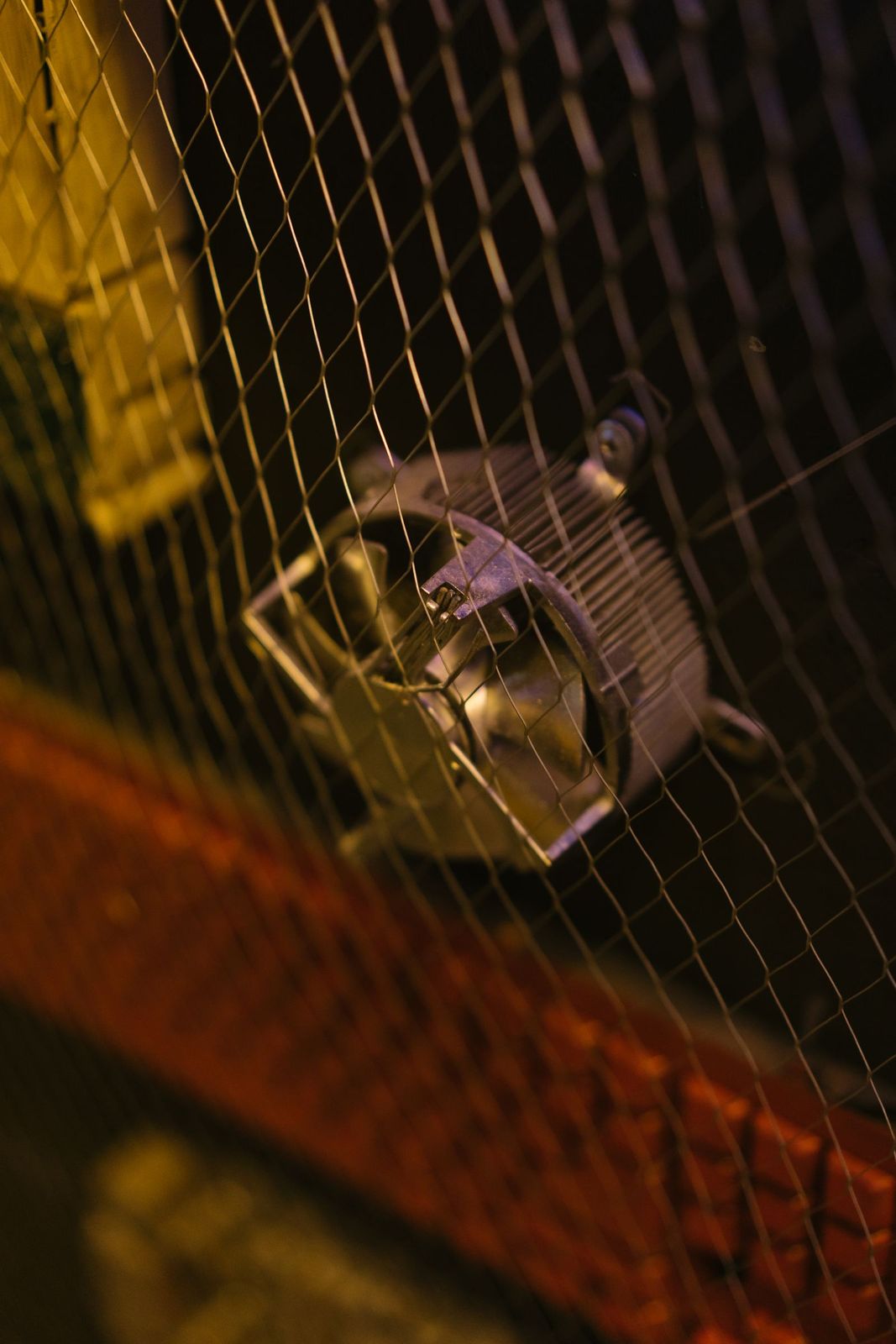
Beating fog, mould and stale air across Christchurch homes
If your bathroom still fogs up every time someone has a shower or your kitchen smells like last nights dinner the next morning, chances are your ventilation isnt doing its job. A lot of homes in Christchurch have either no extraction fan at all or a cheap ceiling mounted one thats barely moving any air. Thats where inline fans come in.
Inline fans sit inside your ceiling space or ducting rather than on the ceiling itself. They pull air through a duct and push it outside. Because the motor is away from the room they're way quieter than regular ceiling fans and they move a lot more air.
We install inline fans across Christchurch every week. Bathrooms, kitchens, laundries, even home offices that get stuffy. If you need better airflow in your home an inline fan is usually the best solution.
Regular ceiling mounted exhaust fans are the ones most people are familiar with. They sit in a hole in the ceiling with the motor right there in the room. They work but they have some real limitations.
First off they're noisy. The motor is right above your head so you hear every bit of it. In a bathroom thats annoying. In a bedroom or office its even worse.
Inline fans are much quieter because the motor sits in the ceiling space away from the room. All you hear is a gentle whoosh of air through the grille. Some people dont even notice they're running.
Second thing is power. Ceiling fans are limited in size because they have to fit in a ceiling cutout. Inline fans can be bigger and more powerful because they're not restricted by the ceiling opening. They shift serious amounts of air.
Third is ducting flexibility. With an inline fan you can run ducting from the fan to an external wall or roof vent. You can even connect multiple rooms to one fan if you set it up right. Way more versatile than a ceiling fan thats stuck in one spot.
If your bathroom has no window and relies entirely on mechanical ventilation you need a good inline fan. The cheap ceiling fans just cant move enough air to keep moisture under control in a windowless bathroom.
If you have a long duct run to the outside wall an inline fan handles the resistance way better than a ceiling fan. Ceiling fans lose most of their power trying to push air through long ducts. Inline fans are designed for it.
If noise matters to you, which is most people, go inline. The difference is massive especially if the fan is on a timer and runs after you leave the bathroom.
If you want to ventilate multiple rooms like a bathroom and ensuite or a kitchen and laundry an inline fan with a ducting setup can handle both spaces with one unit.
Christchurch gets cold and damp in winter. Houses here are often older and not as well insulated as they could be. When you add moisture from showers, cooking, and drying clothes inside you get condensation on windows, damp walls, and eventually mould.
Mould is a serious health issue especially for kids and anyone with asthma or allergies. It also damages your house. Paint peels, timber rots, and the place starts smelling musty. Fixing mould damage costs way more than installing proper ventilation in the first place.
A lot of rentals in Christchurch have this problem. The Healthy Homes Standards require adequate ventilation in rental properties including functioning extractor fans in kitchens and bathrooms. If your rental doesnt have proper ventilation you need to sort it.
Even in newer homes we see ventilation issues. Builders sometimes put in the cheapest ceiling fans they can find just to tick the compliance box. They work for a year or two then the bearings wear out and they're just making noise without actually moving air.
Condensation on windows every morning is the obvious one. If your windows are dripping wet your house has too much moisture and not enough ventilation.
Mould growing on ceiling corners in bathrooms or bedrooms means moisture is sitting there too long. Good ventilation removes the moisture before it can settle and grow mould.
If your bathroom mirror stays fogged up for ages after a shower your exhaust fan isnt doing enough. A properly sized inline fan should clear the steam within a few minutes of the shower finishing.
Musty smells in rooms that shouldnt smell musty indicate trapped moisture. Laundries and bathrooms without proper ventilation develop that damp smell pretty quickly.
If your existing fan is loud but doesnt seem to actually extract much air its probably worn out or was undersized to begin with. Time for an upgrade.
There are a few different types of inline fans and the right one depends on your situation. We help you choose the best option based on your rooms, duct runs, and budget.
Mixed flow inline fans are the most common for residential use. They're compact, powerful, and quiet. Brands like Manrose, Fantech and Vent-Axia make excellent mixed flow fans that we install regularly in Christchurch homes.
Centrifugal inline fans are more powerful and better for long duct runs or high resistance situations. If your duct has to go a long way or through multiple bends a centrifugal fan handles it better. These are more common in commercial installations but some larger homes need them too.
Low profile inline fans are designed for tight ceiling spaces. Some older Christchurch houses dont have much room in the ceiling cavity. Low profile units fit where standard inline fans wont.
Getting the right size fan is critical. Too small and it wont clear the moisture properly. Too big and its wasting energy and might create drafts or noise issues.
Fan size is measured in litres per second or cubic metres per hour. For a standard bathroom you want at least 25 litres per second. For a larger bathroom or one with a spa bath you might need 40 to 50 litres per second.
Kitchens need more airflow because cooking generates a lot of steam and smells. A kitchen inline fan should move at least 60 litres per second and ideally more if you do a lot of cooking.
We calculate the right fan size for your specific rooms taking into account room volume, duct length, number of bends, and what the room is used for. Getting this right means the fan actually works properly instead of just making noise.
Installing an inline fan is more involved than sticking a ceiling fan in a hole. It needs proper planning, the right materials, and skilled electrical work.
First we assess your situation. Where does the air need to come from? Where can we vent to outside? How long will the duct run be? What obstacles are in the ceiling space? This planning stage is important because it determines how well the whole system works.
Then we install the fan unit in the ceiling space. It needs to be properly supported and mounted to reduce vibration. A poorly mounted inline fan will vibrate through the ceiling and create noise that defeats the whole purpose of going inline.
We run insulated flexible ducting from the ceiling grille to the fan and from the fan to the external vent. Insulating the ducting prevents condensation forming inside the duct which can drip back into your ceiling space and cause damage.
The external vent needs to be weather proof and have a back draft damper to stop cold air blowing back in when the fan isnt running. We install proper external vents that last and keep the weather out.
Finally we do all the electrical connections. The fan needs a proper power supply and usually a switch or timer. All electrical work is done by our registered electricians and comes with a certificate of compliance.
Most bathroom inline fans should be on a timer. You want the fan to keep running for 15 to 20 minutes after you leave the bathroom to clear all the moisture. Without a timer people turn the fan off when they leave and the moisture just sits there.
We install overrun timers that start when you turn the light on and keep running for a set time after you turn the light off. This means the fan runs automatically without you having to think about it.
Some fans come with built in humidity sensors. These detect when moisture levels rise and turn the fan on automatically. They also adjust the speed based on how humid the room is. These are great for set and forget ventilation.
For kitchens we usually wire the fan to a separate switch so you can control it independently from the lights. Some people want the fan running while cooking but not every time the kitchen light is on.
Bathrooms are the most common room for inline fan installation. The combination of hot showers and often poor natural ventilation makes mechanical extraction essential. We install hundreds of bathroom inline fans across Christchurch.
Kitchens benefit hugely from inline fans especially if you dont have a rangehood that vents outside. Even with a rangehood an additional inline fan helps clear steam and odours from the wider kitchen area.
Laundries generate a lot of moisture from washing machines and dryers. If your dryer doesnt vent outside or you dry clothes inside on a rack your laundry needs an inline fan to deal with all that moisture.
Home offices and bedrooms can benefit from inline fans too especially internal rooms without windows. Fresh air circulation improves comfort and concentration.
The cost of an inline fan installation depends on the fan itself, the length of ducting needed, and the complexity of the electrical work. Every job is different but we can give you some typical ranges.
A basic bathroom inline fan installation with a short duct run typically costs between $600 and $900 including the fan, ducting, external vent, and all electrical work.
More complex installations with longer duct runs, multiple bends, or connecting multiple rooms can cost $900 to $1500. The extra cost is mainly in materials and labor for the additional ducting work.
High end installations with premium quiet fans, humidity sensors, and heat recovery ventilation systems can cost $1500 to $3000 or more. These are usually for new builds or major renovations where you want the best possible ventilation system.
We always provide a quote before starting work so you know exactly what its going to cost. No surprises.
Absolutely. Compared to the cost of fixing mould damage, repainting water stained ceilings, or dealing with health problems from poor air quality an inline fan is cheap. Its one of those things that pays for itself many times over.
If your a landlord proper ventilation keeps your tenants healthy and your property in good condition. It also keeps you compliant with Healthy Homes Standards which you need to meet by law.
For homeowners the comfort improvement alone is worth it. No more foggy mirrors, no more damp smells, no more mould in the corners. Your house feels fresher and drier especially during Christchurch winters.
Technically you can mount the fan and run the ducting yourself but the electrical connection must be done by a registered electrician. Its the law in New Zealand and for good reason. We recommend getting the whole job done professionally to make sure its right.
Good quality inline fans are very quiet. Youll hear a gentle airflow but nothing like the rattly noise of a cheap ceiling fan. Most people forget they're even running.
No. A typical bathroom inline fan uses about 20 to 40 watts. Running it for a few hours a day costs cents. Way less than running a dehumidifier which is what some people resort to when they dont have proper ventilation.
Good quality inline fans last 10 to 15 years or more with minimal maintenance. They're designed to run for long periods and the motors are built to last. Much longer than cheap ceiling fans which often die within a few years.
Yes absolutely. Thats most of what we do. We retrofit inline fans into existing Christchurch homes all the time. It usually takes half a day to a full day depending on the complexity.
Inline fans need very little maintenance. Once or twice a year clean the ceiling grille to remove dust buildup. A vacuum cleaner with a brush attachment works well for this.
Check the external vent occasionally to make sure its not blocked by leaves, cobwebs, or bird nests. A blocked vent means the fan is working hard but not actually moving air outside.
If the fan starts making unusual noises or vibrating more than usual it might need servicing. Usually its just dust buildup on the fan blades which can be cleaned. Sometimes bearings wear out after many years and the fan needs replacing.
We offer maintenance checks as part of our general electrical maintenance service. If you want us to check your ventilation system along with your other electrical work just ask.
WEDO Electrical installs inline fans across Christchurch and Canterbury. Whether you need a single bathroom fan or a whole house ventilation solution our registered electricians will get it sorted properly. Call 027 484 0801 for a free quote or to discuss your ventilation needs.