"WEDO Electrical provided exceptional service when upgrading the wiring in my home. Their team was professional, efficient, and the results exceeded my expectations."
- 027 484 0801
- [email protected]
- Monday - Sunday 24 hours

If you need a reliable electrician in Christchurch and Canterbury, WEDO Electrical is here for you. We have been helping both homes and businesses in Christchurch and Canterbury. Our team of electricians and programmers is committed to doing great work on every job. Whether we're adding a socket in a home or working on big hotel projects, we always focus on quality and detail. At WEDO Electrical, we offer services like electrical work, automation, heat pumps, EV chargers, and security. We aim to be your go-to place for all electrical needs in Christchurch and beyond. We’re available 24/7, all year round, for emergency calls.
Call us today to talk about your home, business, or industrial project. We are the best electrician in Christchurch for all your needs. Whether you're looking for a cheap electrician in Christchurch, a residential electrician Christchurch, or an independent electrician Christchurch, we’ve got you covered. We’re your trusted, local choice for an industrial electrician in Christchurch too. Need Reliable, Skilled Christchurch Electricians So You Can Focus On What's Important? We Can Help With That.
If you're looking for a trustworthy electrician in Christchurch, call WEDO Electrical today. Our experienced team can work independently or with yours to complete any task, providing solutions and ensuring your job is done to the highest standards. The WEDO Electrical team is always ready to go the extra mile. We take pride in our work and bring a positive attitude to every project. Contact the local electricians that Christchurch and Canterbury residents trust for all kinds of jobs. Call us today for a quote or to learn more about our services.
If you're searching for a local Christchurch electrician, we offer competitive prices, including for jobs in Christchurch, Lincoln, and Rangiora. Whether you need a affordable electrician in Christchurch or an electrician for larger tasks, we’ve got you covered. No job is too big or small. Whether it's changing a light bulb, upgrading a power point, fixing a fault, or installing security lights, WEDO Electrical's Quick Service can get to you in no time. Call or contact us to book your appointment, and we'll send someone out as soon as possible. WEDO Electrical is your trusted local electrician in Christchurch.
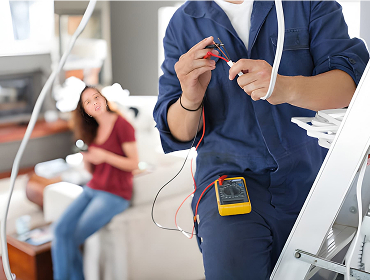
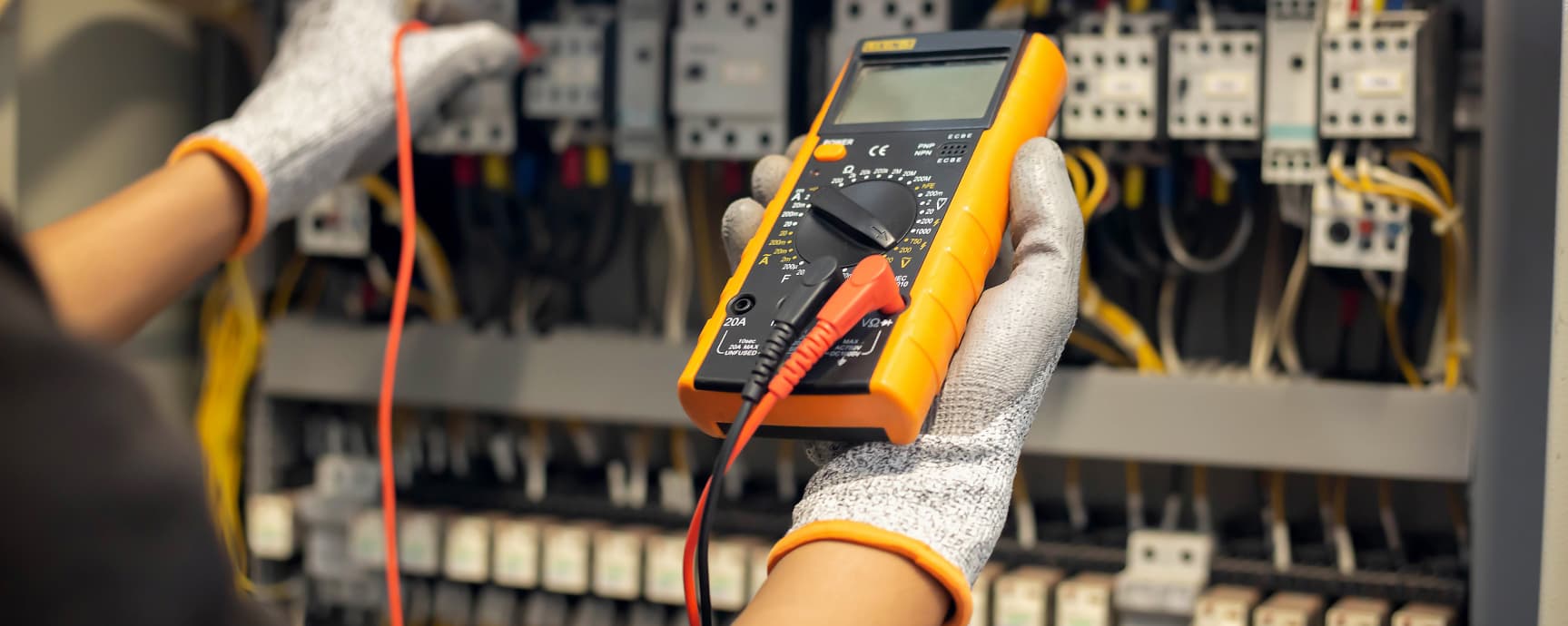
Looking for a reliable Christchurch electrician? Our team provides expert residential electrical services across the Garden City, from full home rewiring and switchboard upgrades to LED lighting installations. We prioritize safety and efficiency, ensuring your home’s electrical systems are Master Electrician certified and fully compliant with NZ standards.
Read more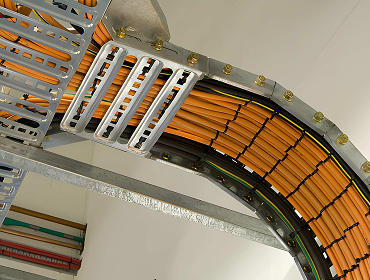
Power your business with professional commercial electrical services in Christchurch. From office fit-outs and scheduled maintenance to industrial fault-finding and Three-Phase power installations, we deliver tailored solutions for local enterprises. Ensure your workplace stays compliant and efficient with our expert commercial electricians and 24/7 emergency support.
Read more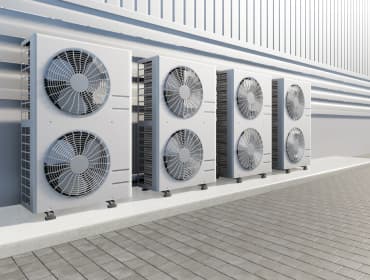
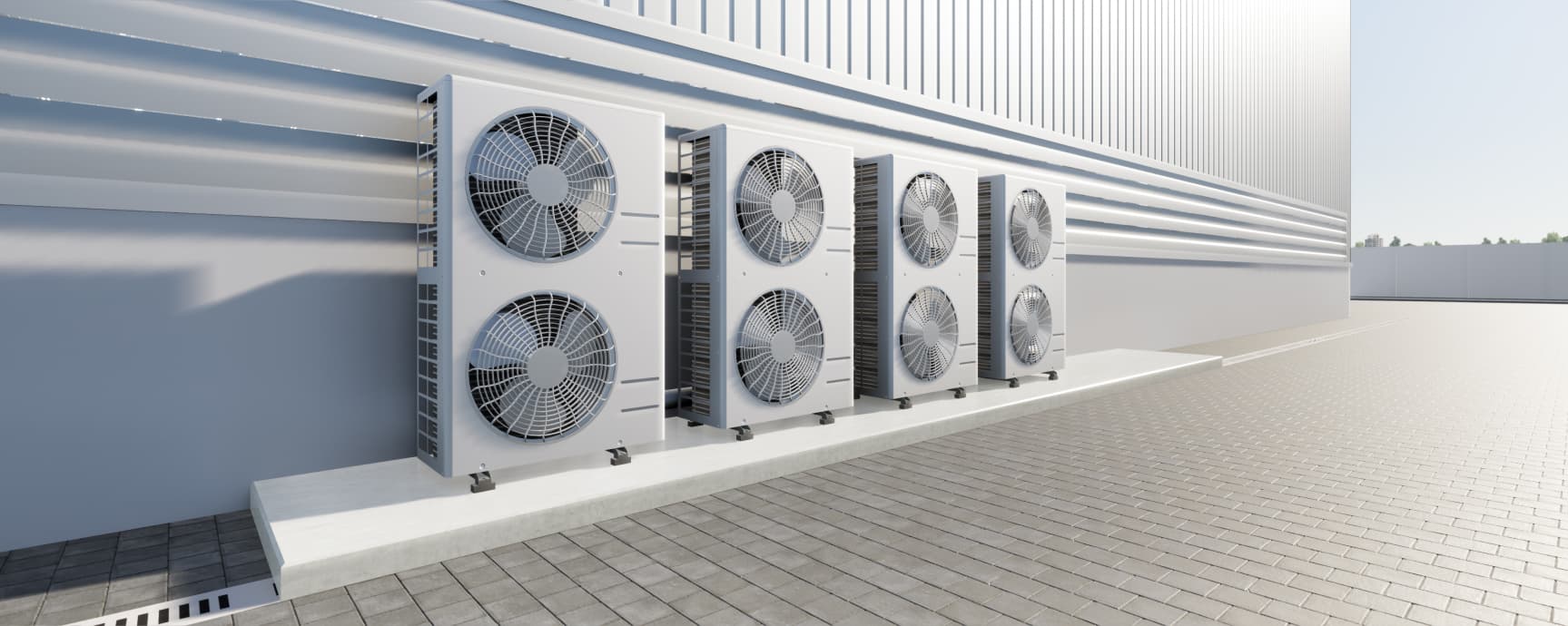
Stay comfortable year-round with our Christchurch air conditioning and heat pump services. We specialize in the installation, repair, and servicing of high-efficiency systems tailored for the Canterbury climate. From split systems to ducted heating, our certified technicians ensure your home or office remains energy-efficient and perfectly tempered.
Read more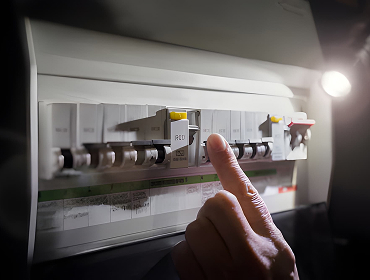
Facing a power outage or electrical fault? Our 24/7 emergency electrician team is on standby across Christchurch to keep your property safe. We provide rapid response for urgent repairs, including smoke smell from outlets, switchboard failures, and storm damage. Call us anytime for fast, reliable after-hours electrical help.
Read more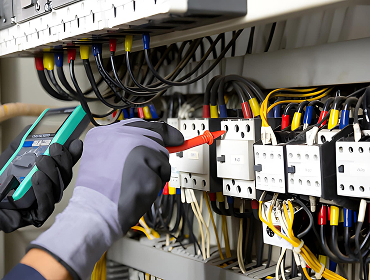
Ensure your property is compliant and safe with our comprehensive electrical safety inspections in Christchurch. We provide detailed pre-purchase reports and landlord safety checks, identifying potential hazards like outdated wiring or faulty RCDs. Protect your investment and family with a professional assessment from our NZ registered electricians.
Read more
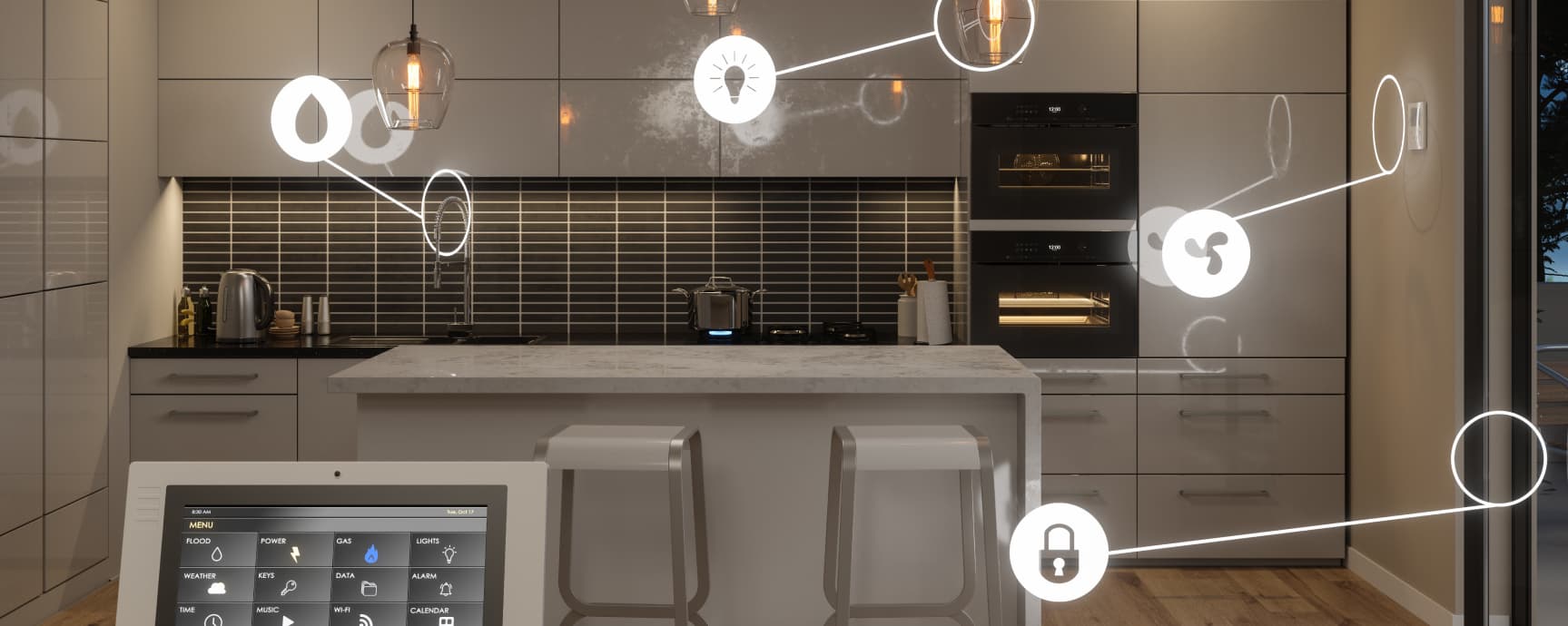
Transform your living space with cutting-edge smart home automation in Christchurch. Our specialists design and install integrated systems for smart lighting, climate control, and advanced security. From voice-activated commands to automated energy management, we make your home more intuitive, secure, and efficient using the latest NZ-compatible smart technology.
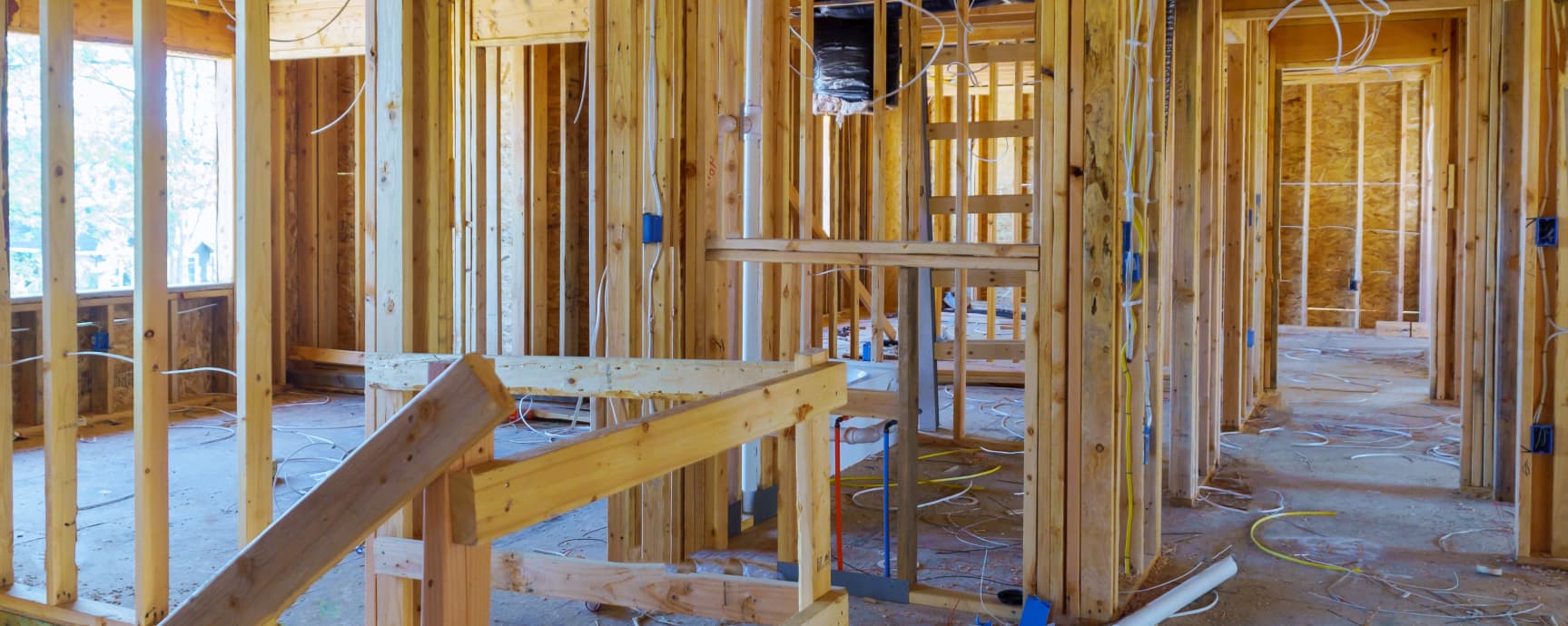
Read moreAs Christchurch grows, areas like Halswell, Rolleston, Kaiapoi, and Woodend are expanding fast, and there's a need for dependable electricians for new builds. WEDO Electrical is your go-to local expert for all your electrical needs in these areas. We specialize in electrical installations for new builds, including wiring, lighting, electrical panels, energy-efficient solutions, and smart home wiring.
Whether it's for a home or business, WEDO Electrical offers fast, safe, and reliable services for your new property in Halswell, Rolleston, Kaiapoi, and Woodend. Contact WEDO Electrical for all your new build electrical needs and get excellent service from a trusted local electrician. We also offer cheap electrician services in Christchurch.
Bought a house in Halswell, Rolleston, Kaiapoi, or Woodend? Need an electrical upgrade or want to switch from a split to a ducted heat pump system? WEDO Electrical can help! We’ll deduct the value of your old heat pump from the price of a new ducted system installation.
If you need an electrician in Christchurch fast, WEDO Electrical is here to help with same-day service for small jobs that need quick attention. Just give us a call or get in touch to discuss your needs, and we'll send a qualified electrician to you as soon as possible. Electrical problems can occur at any time, leaving you feeling uncertain and uncomfortable. At WEDO Electrical, we understand the urgency, which is why our expert electricians are available 24/7 to provide fast response services across Christchurch. Whether it's a late-night power outage or a tripped circuit during the day, we’re always just one call away.
We provide cost-effective Christchurch electrician rates and focus on both residential and commercial electrical work. Whether you need a budget electrician Christchurch or the top electrician Christchurch, we deliver the skills and pricing you’re looking for. Want a free electrician Christchurch quote or have electrician Christchurch projects to review? Our team is ready to assist. We're also your trusted option for an electrician near me, offering prompt, same-day service whenever it’s needed.
"WEDO Electrical provided exceptional service when upgrading the wiring in my home. Their team was professional, efficient, and the results exceeded my expectations."

"I highly recommend WEDO Electrical for any commercial electrical work. Their attention to detail and commitment to quality were evident throughout the project. We're extremely satisfied with the outcome."

"WEDO Electrical came to our rescue during an electrical emergency at our office. Their prompt response and efficient problem-solving saved the day. We're grateful for their expertise."

"I was impressed by the professionalism and expertise of the WEDO Electrical team. They provided valuable advice during the renovation of my restaurant and ensured all electrical systems were installed to the highest standards."

"WEDO Electrical went above and beyond to ensure the safety and efficiency of our industrial facility. Their team's dedication to quality and their commitment to customer satisfaction make them stand out in the industry."

Learn about the advantages of integrating solar power into new buildings.
Read MoreUnderstand the essential factors for electrical wiring in new construction according to codes and safety standards.
Read MoreDiscover how heat pumps can be integrated into new homes for sustainable Heat Pump & Air Conditioning solutions.
Read More